Christian Calendar Countdown
(v) Scroll to discover more insights
How many days until
Candlemas
Candlemas is tracked here through February 2, with the page focused on the Presentation of Jesus, blessing of candles and light imagery.
More holidays in February
172Days
00Hours
00Minutes
00Seconds
Quick Facts
About Candlemas
the Presentation of Jesus, blessing of candles and light imagery is the central subject of Candlemas. The February 2 reference places it within Christian Calendar. Candlemas falls forty days after Christmas. Its candle customs distinguish it from Epiphany. The page identifies Christian communities worldwide as the primary context for Candlemas.
History of Candlemas
Introduction
Candlemas is a Christian feast observed on February 2, forty days after Christmas. It commemorates the presentation of Jesus in the Jerusalem Temple and the meeting with Simeon and Anna described in the Gospel of Luke.
The feast is formally called the Presentation of the Lord in many Western churches and the Meeting of the Lord in Eastern Christianity. The name Candlemas comes from the blessing and procession of candles, symbolizing Simeon's description of Jesus as a light for revelation to the nations.
The narrative in Luke
Luke describes Mary and Joseph bringing Jesus to Jerusalem according to Jewish law.
Simeon recognizes the child and speaks words later used in the Nunc Dimittis, while the prophet Anna gives thanks and speaks about the child.
Jewish law and Christian interpretation
The story draws on practices concerning childbirth, purification, firstborn sons, sacrifice, and Temple worship.
Christian teaching should explain the Jewish setting accurately and avoid portraying Jewish law as spiritually inferior or merely replaced.
Forty days after Christmas
February 2 is forty days after December 25 when counting according to traditional liturgical reckoning.
Eastern communities that celebrate Christmas on a different civil date may observe the feast on a different Gregorian date.
Origins in Jerusalem
A feast of the presentation is documented in Jerusalem by the fourth century.
Early pilgrims described processions and worship connected with the biblical event, initially calculated from a January celebration of Christ's birth in some Eastern traditions.
The Feast of the Meeting
Eastern Christianity calls the day the Meeting or Encounter of the Lord, emphasizing Christ's meeting with Simeon, Anna, the Temple, and the people of God.
It belongs to the cycle of major feasts connected with the incarnation.
Arrival in Rome
The feast was celebrated in Rome by the fifth century and developed within the Western calendar.
Its titles and theological emphases shifted among the Presentation of the Lord, Purification of Mary, and Candlemas.
Candles and procession
By the mid-fifth century, candle processions were associated with the feast in Jerusalem, and the custom spread.
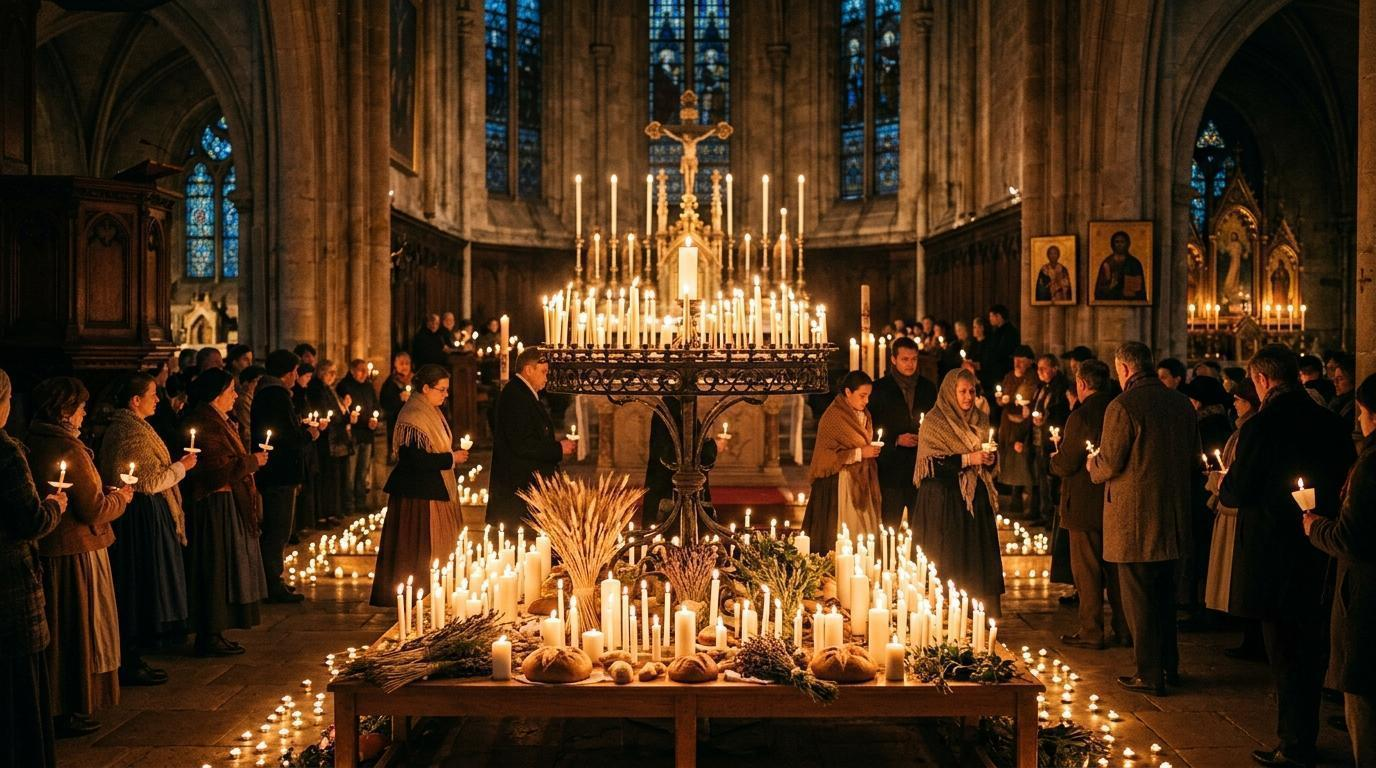
Candles symbolized Christ as light and were blessed for use in churches and homes.
The Nunc Dimittis
Simeon's song begins with words translated as Now let your servant depart in peace.
It became part of evening prayer, funerals, choral music, and the liturgy of Candlemas.
Mary and purification language
Older Western titles emphasized the Purification of the Blessed Virgin Mary.
Modern liturgical reform often places greater emphasis on Jesus' presentation while retaining Mary and Joseph as faithful Jewish parents in the narrative.
Ending the Christmas cycle
In some Western traditions, Candlemas marks the close of the extended Christmas and Epiphany season.
Churches may remove cribs or decorations, though modern calendars and local customs differ.
Weather folklore
European folklore connected clear or stormy Candlemas weather with predictions about the length of winter.
Such sayings influenced later popular customs, including traditions related to animals and shadows, but they are folklore rather than reliable meteorology.
Groundhog Day relationship
German-speaking immigrants carried weather lore to North America, where the groundhog became the animal associated with February 2.
Groundhog Day is a secular folk observance and should not be treated as identical to the Christian feast.
Agriculture and seasonal light
The feast falls near the midpoint between the winter solstice and spring equinox in the Northern Hemisphere.
Its symbolism of increasing light resonates seasonally there, but communities in the Southern Hemisphere experience a different point in the year.
Consecrated life
Pope John Paul II established the World Day for Consecrated Life in 1997 in connection with February 2.
Catholic communities use it to recognize women and men in religious institutes and other forms of consecrated life.
Art and music
The Presentation inspired icons, paintings, sculpture, stained glass, and choral settings of the Nunc Dimittis.
Artists depict the Temple, Simeon, Anna, Mary, Joseph, Jesus, candles, and sacrificial birds with details shaped by their own periods.
Popular names and regional customs
The feast has names such as Candlemas, Candelaria, Chandeleur, and Candelora.
Customs may include pancakes, candles, processions, fairs, pilgrimages, or home blessings, none of which is universal.
Public holiday status
Candlemas is not a universal public holiday.
Some locations hold major religious or civic celebrations, while ordinary schools, government offices, and businesses remain open elsewhere.
Fire safety and sustainable practice
Candle use requires attention to fire safety, ventilation, wax, waste, and accessibility.
Electric lights may be used where open flames are unsafe, without changing the basic symbolism of light.
Additional historical context 1
Candlemas also influenced the practical life of churches and households. Blessed candles were kept for worship, storms, illness, childbirth, funerals, or emergencies. Historians distinguish these devotional uses from later stereotypes about superstition. For believers, the candle represented prayer and the presence of divine light in moments of uncertainty.
Candlemas also influenced the practical life of churches and households. Blessed candles were kept for worship, storms, illness, childbirth, funerals, or emergencies. Historians distinguish these devotional uses from later stereotypes about superstition. For believers, the candle represented prayer and the presence of divine light in moments of uncertainty.
Additional historical context 2
Candlemas also influenced the practical life of churches and households. Blessed candles were kept for worship, storms, illness, childbirth, funerals, or emergencies. Historians distinguish these devotional uses from later stereotypes about superstition. For believers, the candle represented prayer and the presence of divine light in moments of uncertainty.
Candlemas also influenced the practical life of churches and households. Blessed candles were kept for worship, storms, illness, childbirth, funerals, or emergencies. Historians distinguish these devotional uses from later stereotypes about superstition. For believers, the candle represented prayer and the presence of divine light in moments of uncertainty.
Additional historical context 3
Candlemas also influenced the practical life of churches and households. Blessed candles were kept for worship, storms, illness, childbirth, funerals, or emergencies. Historians distinguish these devotional uses from later stereotypes about superstition. For believers, the candle represented prayer and the presence of divine light in moments of uncertainty.
Candlemas also influenced the practical life of churches and households. Blessed candles were kept for worship, storms, illness, childbirth, funerals, or emergencies. Historians distinguish these devotional uses from later stereotypes about superstition. For believers, the candle represented prayer and the presence of divine light in moments of uncertainty.
Additional historical context 4
Candlemas also influenced the practical life of churches and households. Blessed candles were kept for worship, storms, illness, childbirth, funerals, or emergencies. Historians distinguish these devotional uses from later stereotypes about superstition. For believers, the candle represented prayer and the presence of divine light in moments of uncertainty.
Candlemas also influenced the practical life of churches and households. Blessed candles were kept for worship, storms, illness, childbirth, funerals, or emergencies. Historians distinguish these devotional uses from later stereotypes about superstition. For believers, the candle represented prayer and the presence of divine light in moments of uncertainty.
Additional historical context 5
Candlemas also influenced the practical life of churches and households. Blessed candles were kept for worship, storms, illness, childbirth, funerals, or emergencies. Historians distinguish these devotional uses from later stereotypes about superstition. For believers, the candle represented prayer and the presence of divine light in moments of uncertainty.
Candlemas also influenced the practical life of churches and households. Blessed candles were kept for worship, storms, illness, childbirth, funerals, or emergencies. Historians distinguish these devotional uses from later stereotypes about superstition. For believers, the candle represented prayer and the presence of divine light in moments of uncertainty.
Additional historical context 6
Candlemas also influenced the practical life of churches and households. Blessed candles were kept for worship, storms, illness, childbirth, funerals, or emergencies. Historians distinguish these devotional uses from later stereotypes about superstition. For believers, the candle represented prayer and the presence of divine light in moments of uncertainty.
Candlemas also influenced the practical life of churches and households. Blessed candles were kept for worship, storms, illness, childbirth, funerals, or emergencies. Historians distinguish these devotional uses from later stereotypes about superstition. For believers, the candle represented prayer and the presence of divine light in moments of uncertainty.
Historical timeline
First century CE: Luke's Gospel records the presentation of Jesus and the words of Simeon and Anna.
Fourth century: A presentation feast is documented in Jerusalem.
Around 450: Candle processions are associated with the feast.
Fifth–seventh centuries: The observance spreads and develops in Rome and Western Europe.
Medieval period: Candle blessing, processions, weather lore, and local customs expand.
Reformation era: Some Protestant churches retain the biblical feast while rejecting or altering candle customs.
Nineteenth century: European weather lore contributes to North American Groundhog Day traditions.
1969: Roman Catholic calendar reform emphasizes the Presentation of the Lord.
1997: World Day for Consecrated Life is linked with February 2.
Today: Candlemas combines scripture, worship, light, music, folklore, and regional custom.
Candlemas today
Churches bless candles, hold processions, sing the Nunc Dimittis, celebrate the Eucharist or Divine Liturgy, and reflect on Jesus as light and on Simeon and Anna's witness.
The strongest accounts explain the Jewish setting respectfully, distinguish Candlemas from secular Groundhog Day, recognize Eastern and Western names, and avoid claiming that every regional custom is an ancient Christian requirement.
Sources and further reading
- Vatican News, Presentation of the Lord
- Vatican State, Presentation of Jesus at the Temple
- Greek Orthodox Archdiocese, Presentation of Christ
- Church of England, The Liturgical Year
- Bible Gateway, Luke 2:22–40
- USCCB, World Day for Consecrated Life
- Metropolitan Museum of Art, Presentation in the Temple
- Encyclopaedia Britannica, Candlemas
Traditions
Its candle customs distinguish it from Epiphany.
Christian Calendar authorities or communities may publish specific timing.
the Presentation of Jesus, blessing of candles and light imagery.
How It Is Celebrated
the Presentation of Jesus, blessing of candles and light imagery guides the observance of Candlemas. Its candle customs distinguish it from Epiphany. Candlemas falls forty days after Christmas. Worship, study, family practice, charity, processions, meals, fasting, candles, or public events depend on the community involved.
Interesting Facts
- Date focus: February 2.
- Its candle customs distinguish it from Epiphany.
- Candlemas falls forty days after Christmas.
- Religious group: Christian Calendar.
- Candlemas observance can vary by community and calendar practice.
Related Holiday Guides
Easter guide →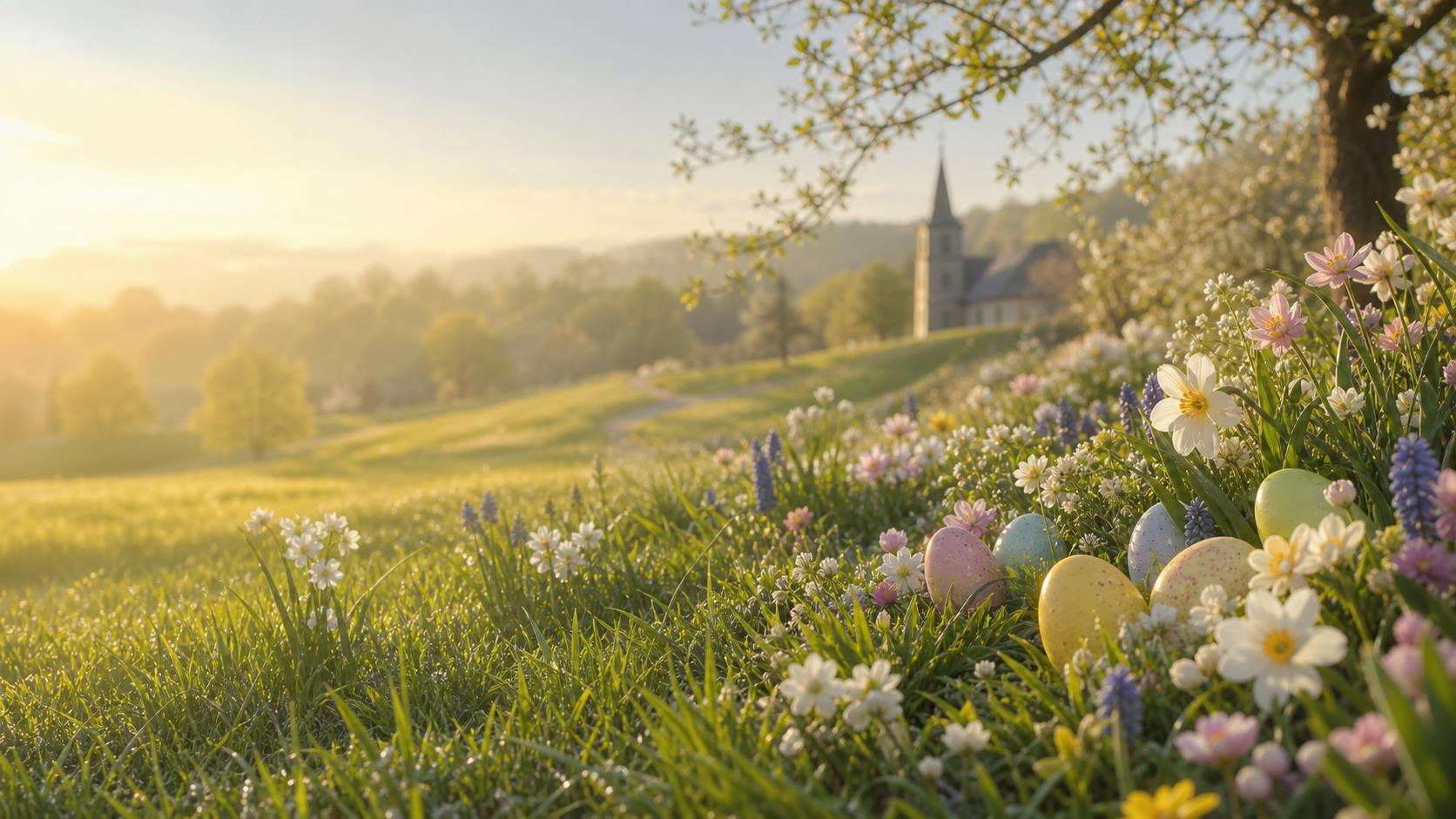 Easter GuideA clear overview of Easter dates, Holy Week, symbols and traditions.→
Easter TraditionsExplore eggs, services, meals, spring customs and family rituals.→
Easter GuideA clear overview of Easter dates, Holy Week, symbols and traditions.→
Easter TraditionsExplore eggs, services, meals, spring customs and family rituals.→
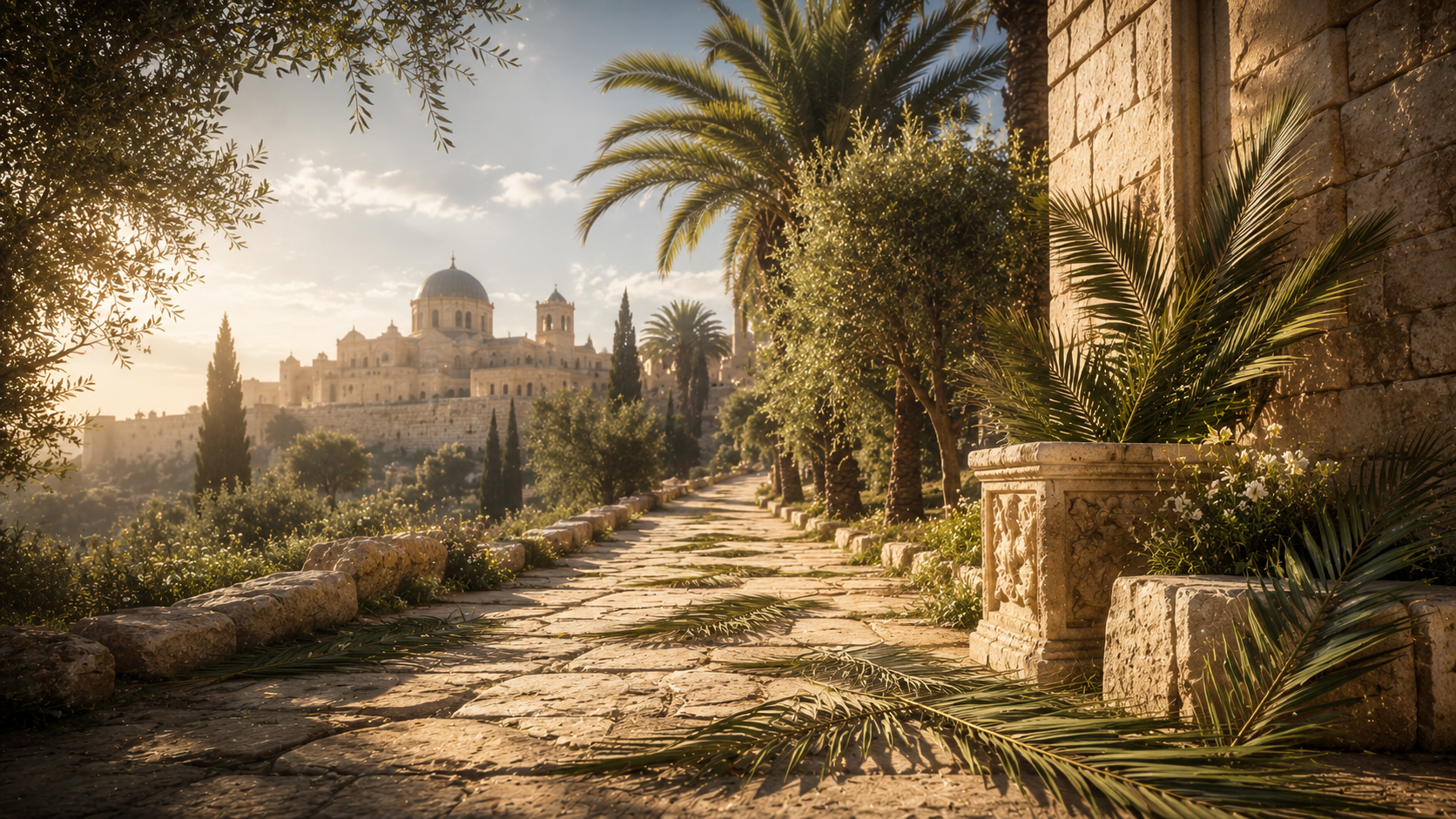 Holy Week CountdownMove through Palm Sunday, Maundy Thursday, Good Friday and Easter.→
 Holiday DirectoryReturn to the full holiday countdown library.→
Questions
Candlemas FAQ
Clear answers about the date, countdown target and seasonal context.
When is Candlemas?
Candlemas uses February 2 for this countdown, with local religious calendars sometimes adding more detail.
What is the main focus of Candlemas?
The page focuses on the Presentation of Jesus, blessing of candles and light imagery. This guidance applies specifically to Candlemas.
How is Candlemas different from nearby observances?
Candlemas falls forty days after Christmas.
Which calendar detail matters for Candlemas?
February 2 is the site's reference. Its candle customs distinguish it from Epiphany. This guidance applies specifically to Candlemas.
Is Candlemas observed the same way everywhere?
Candlemas falls forty days after Christmas. Practices may also differ in language, liturgy, public status, and household observance.