Remembrance Countdown
(v) Scroll to discover more insights
How many days until
All Souls' Day
All Souls' Day is observed on November 2 in many Christian traditions as a day of prayer and remembrance for the departed. This countdown uses the fixed November 2 date and updates automatically each year.
More holidays in November
80Days
00Hours
00Minutes
00Seconds
Quick Facts
About All Souls' Day
All Souls' Day is a solemn remembrance observance. It often follows All Saints' Day and may include prayers, candles, cemetery visits, flowers, church services, and family reflection.
History of All Souls' Day
Introduction
All Souls’ Day, formally called the Commemoration of All the Faithful Departed in the Roman Catholic Church, is observed on November 2. It is a day of prayer and remembrance for the dead. Although it follows All Saints’ Day, the two observances have different purposes: November 1 honors all saints, while November 2 focuses on the faithful departed and the hope of resurrection.
Prayer for the dead existed in Christianity long before a universal annual observance developed. Families and congregations remembered people at burial, on anniversaries, and during the Eucharist. All Souls’ Day grew from these practices and from medieval monastic efforts to establish a shared day of intercession.
Early Christian remembrance of the dead
Evidence from inscriptions, liturgies, and early Christian writings shows that Christians prayed for the dead by the second century. The Eucharist could include remembrance of deceased believers, and communities gathered at graves or on anniversaries. These customs reflected belief in the resurrection and the continuing bond between the living and the dead.
Practices varied by place. Some communities marked the third, seventh, thirtieth, or fortieth day after death, while others emphasized the annual anniversary. Eastern Christian churches developed several Saturdays of the Souls and other memorial observances rather than following the same calendar as the later Western feast.
Odilo of Cluny and November 2
The strongest institutional link to November 2 comes from the monastery of Cluny in France. In 998, Abbot Odilo directed the monasteries under Cluniac authority to commemorate all the faithful departed on the day after All Saints. Bells were rung, psalms were sung, alms were given, and Masses were offered for the dead.
Cluny was one of medieval Europe’s most influential monastic networks, so the custom spread beyond the abbey. Other monasteries, dioceses, and communities adopted November 2. By the later Middle Ages, the commemoration had become broadly established in the Western church.
Theology, charity, and popular practice
In medieval Catholic teaching, prayer for the dead became closely associated with purgatory, the process of purification before the full vision of God. Masses, prayers, almsgiving, and acts of charity were offered for deceased people. These beliefs shaped confraternities, wills, chantries, and endowed services.
Popular customs included visiting graves, lighting candles, ringing bells, preparing food, and giving bread or alms to people in need. Practices differed widely and often incorporated older local traditions of seasonal remembrance. It is therefore misleading to describe every custom as having one origin.
During the Protestant Reformation, many reformers rejected purgatory and prayers intended to change the condition of the dead. The official observance was reduced or abolished in many Protestant regions. Yet remembrance of deceased relatives and church members continued in memorial services, cemetery visits, and local customs.
Modern Catholic development
All Souls’ Day remained part of the Roman Catholic calendar. In 1915, during the First World War, Pope Benedict XV allowed priests to celebrate three Masses on November 2, a practice reflecting the immense scale of wartime death and the church’s pastoral concern for the departed.
The liturgy emphasizes Christ’s death and resurrection, prayer, mercy, and hope. Black, violet, or other permitted liturgical colors may be used according to local rules. The day is not a canonization of everyone who has died; rather, it entrusts the dead to God.
Historical timeline
Second century: Evidence shows Christians praying for deceased members of their communities and celebrating the Eucharist in their memory.
Early centuries: Memorial customs develop around burial, anniversaries, and set days after death.
998: Abbot Odilo of Cluny orders a commemoration of all the faithful departed on November 2 in Cluniac monasteries.
Eleventh to fourteenth centuries: The November 2 observance spreads through Western Europe and becomes closely associated with prayer for souls undergoing purification.
Sixteenth century: Reformation churches challenge or reject purgatory and formal prayers for the dead, changing the observance in many regions.
1915: Pope Benedict XV permits priests to celebrate three Masses on All Souls’ Day.
Modern era: Cemetery visits, candles, flowers, family remembrance, and liturgical services remain important in many countries.
All Souls' Day today
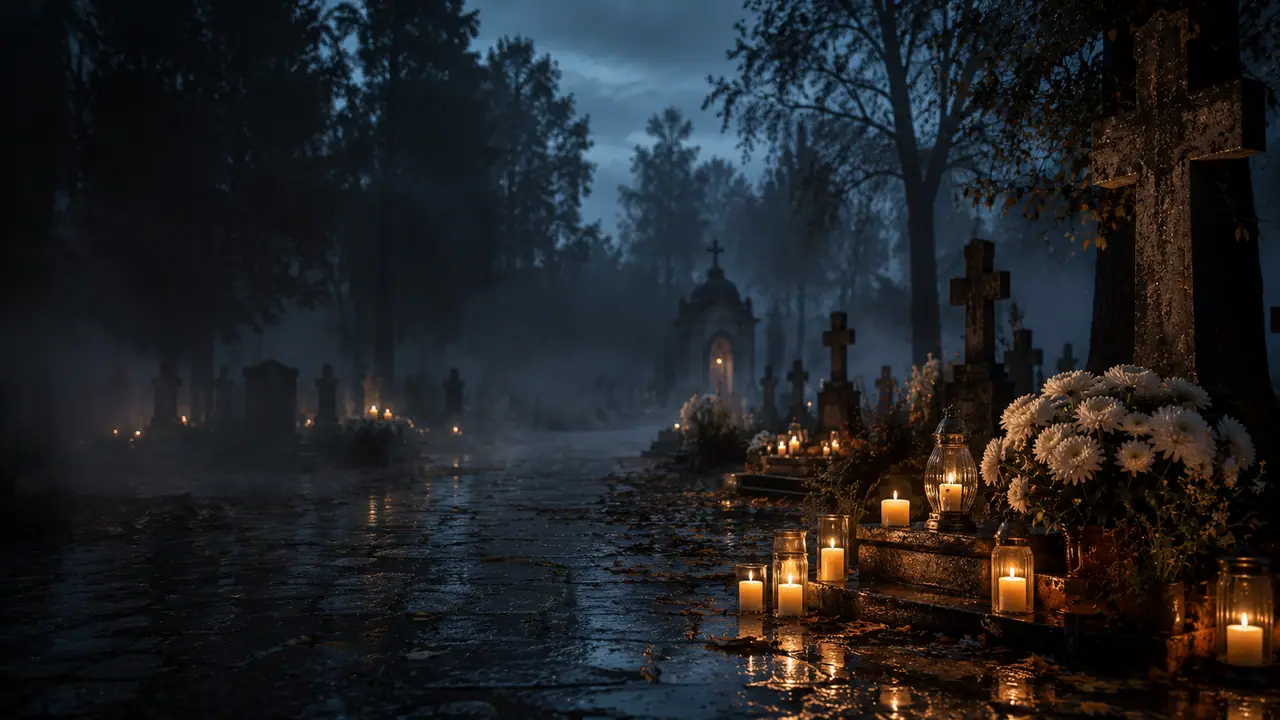
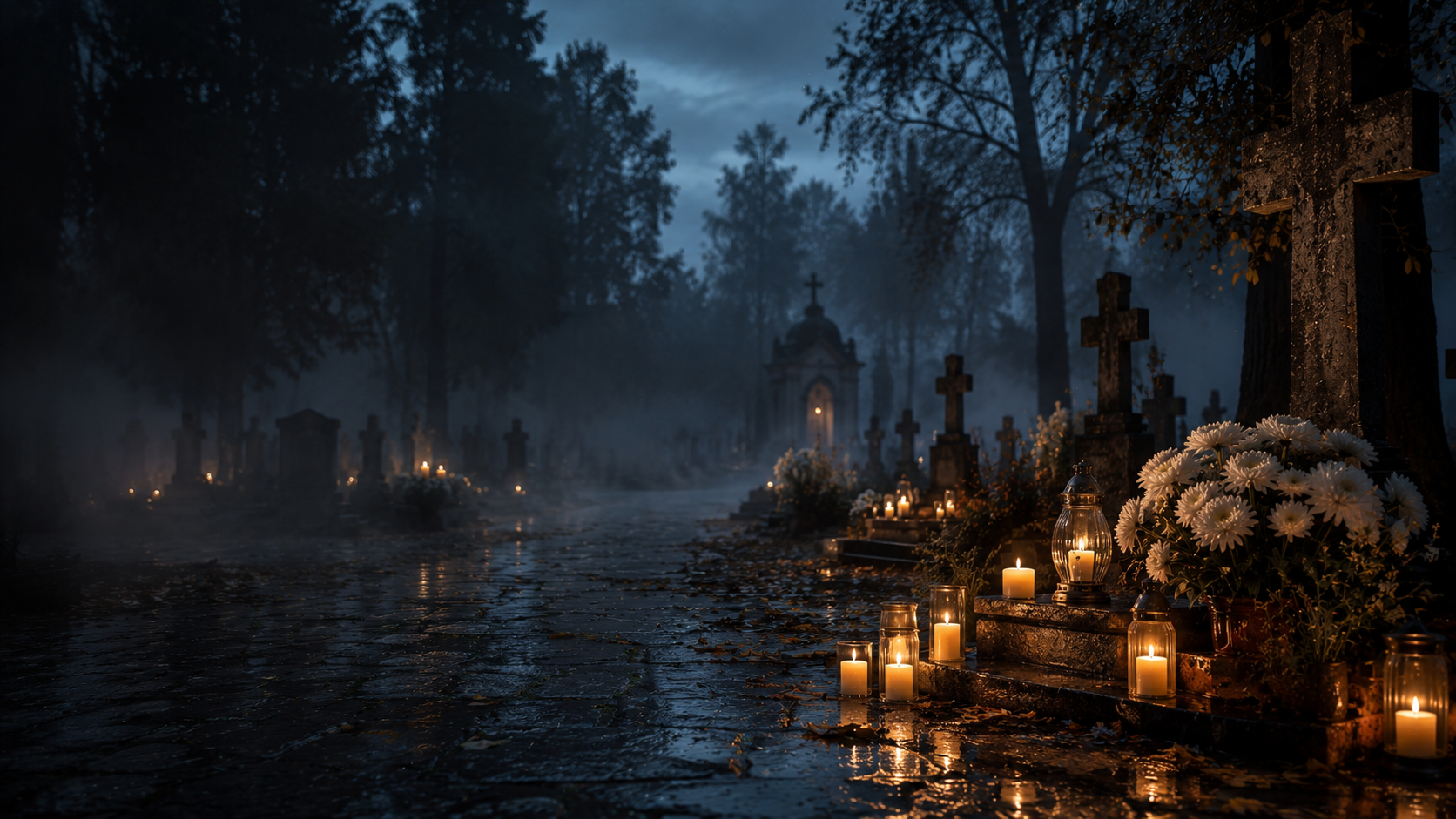
Today, Catholics commonly attend Mass, pray for deceased relatives and others who have died, visit cemeteries, clean graves, and leave flowers or candles. Customs vary by country and community. In Poland and parts of Central Europe, cemeteries may glow with thousands of lamps. In the Philippines, families may spend extended time at graves. In Latin America, the date overlaps with broader commemorations of the dead, including regional traditions connected to Día de los Muertos.
All Souls’ Day should not be presented as a single worldwide folk festival. It is a Catholic liturgical commemoration that has interacted with many local cultures. Its enduring themes are memory, grief, solidarity, prayer, and hope in the face of death.
Sources and further reading
Traditions
Attending memorial services
Praying or reflecting with family
Lighting candles for the departed
How It Is Celebrated
Many people mark All Souls' Day quietly through church services, cemetery visits, candles, and flowers. The tone is usually reflective and reverent, with practices shaped by denomination, country, and family custom.
Interesting Facts
- All Souls' Day is fixed on November 2 in many calendars.
- It follows All Saints' Day on November 1.
- The holiday is focused on remembrance of the departed.
- Candles and cemetery visits are common traditions.
- Local customs vary widely.
Related Holiday Guides
Holiday directory →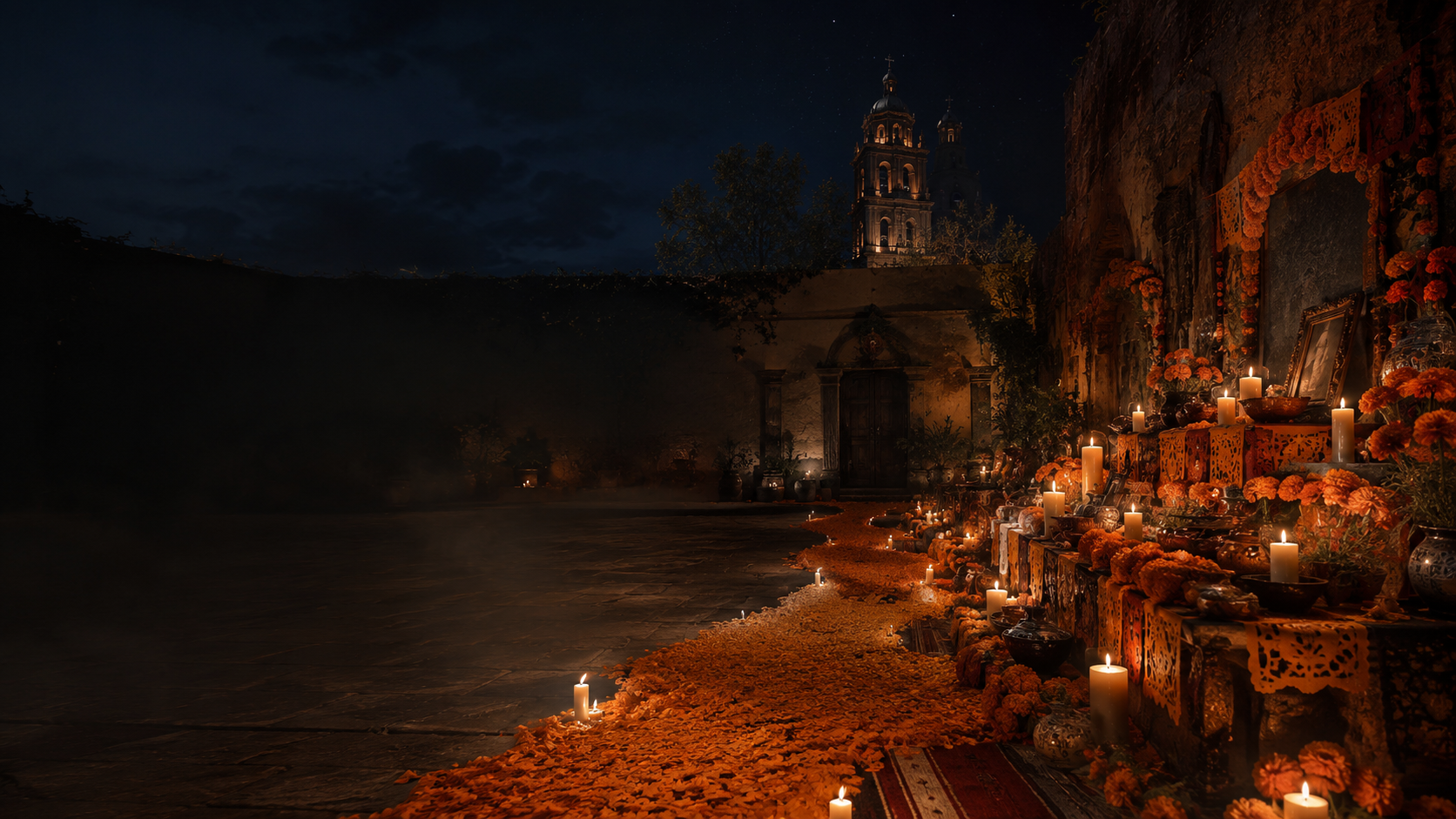 Holiday DirectoryBrowse remembrance, religious, and seasonal countdowns connected to early November observances.→
 Upcoming HolidaysFollow the calendar from Halloween through All Saints' Day, All Souls' Day, and late-autumn holidays.→
 Halloween CountdownCompare the October 31 countdown with the remembrance-focused pages that follow in early November.→
 Thanksgiving CountdownContinue from the early-November remembrance season into the next major late-autumn holiday.→
Questions
All Souls' Day FAQ
Clear answers about the date, countdown target and seasonal context.
When is All Souls' Day?
All Souls' Day is observed on November 2 in many Christian traditions.
How is it different from All Saints' Day?
All Saints' Day honors saints, while All Souls' Day focuses on remembering the faithful departed.
Is All Souls' Day connected to Day of the Dead?
They share the early-November remembrance season, though traditions and meanings differ.
What does this countdown target?
It targets November 2 every year.
Does every country observe it the same way?
No. Observances vary by country, denomination, and family tradition.