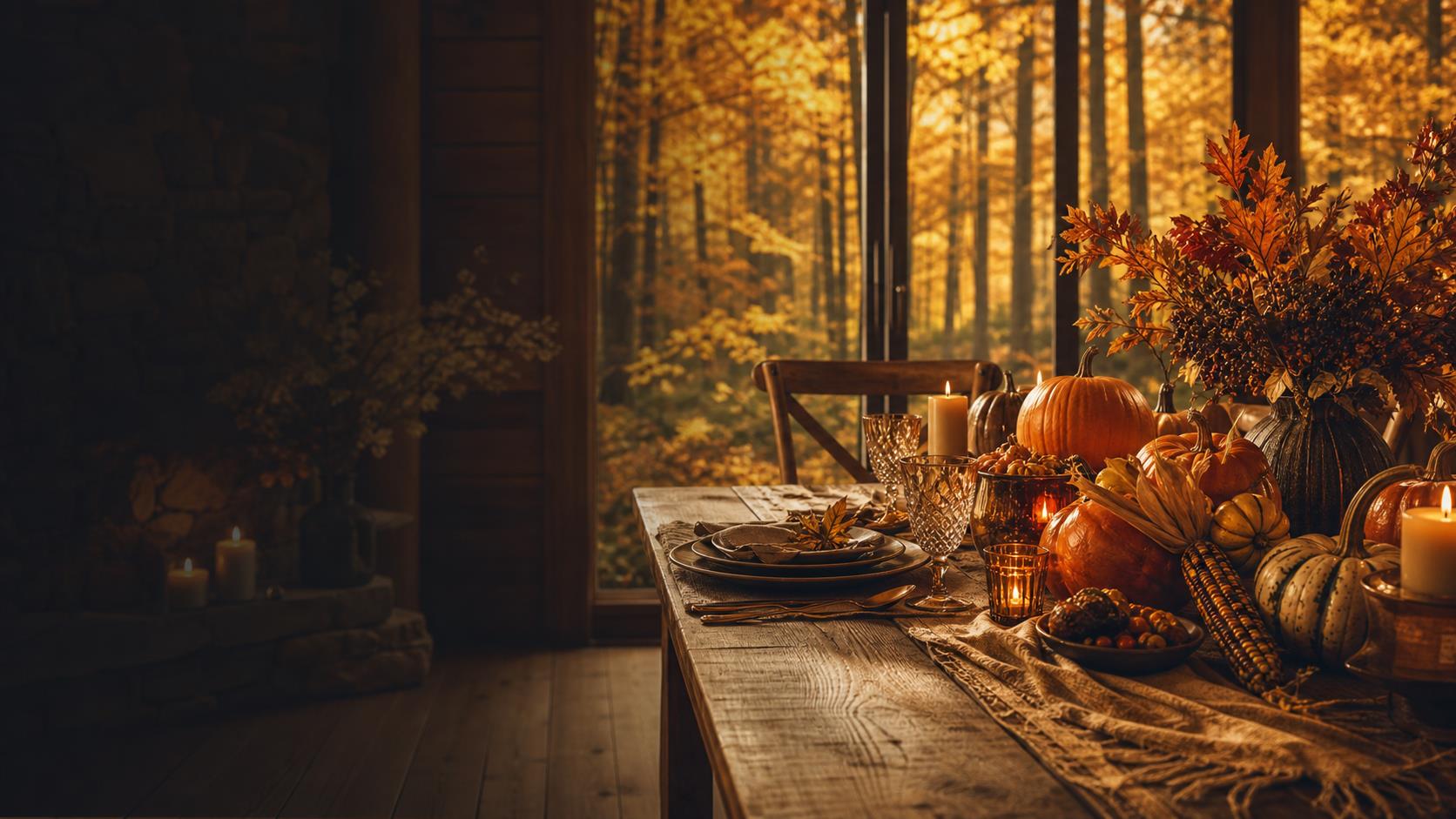
Symbols make Thanksgiving easier to recognize and remember. They connect the holiday to stories, seasons, beliefs and shared cultural memory.
This page is part of the Holiday Countdown Library guide system. It gives visitors a useful overview while connecting naturally to related countdown pages, country pages and deeper holiday topics.
Thanksgiving GuideA clear guide to Thanksgiving, including dates, traditions, symbols, cultural meaning and related countdown links.→
History of ThanksgivingLearn how Thanksgiving developed over time and why the holiday still matters today.→
Thanksgiving TraditionsExplore the customs, family rituals and seasonal practices associated with Thanksgiving.→
Thanksgiving Around the WorldSee how different places celebrate Thanksgiving through local customs and shared traditions.→
Thanksgiving FoodDiscover meals, sweets, drinks and table traditions connected with Thanksgiving.→
Harvest symbols have deep roots
Thanksgiving imagery begins with the harvest: corn, squash, beans, berries and stored food. Indigenous peoples developed sophisticated agricultural systems and seasonal ceremonies long before the United States holiday. Modern decorations often compress those histories into a generic autumn picture, so a careful explanation names the food and the people who cultivated it.
Corn, beans and squash
The Three Sisters are often used to describe interplanting corn, beans and squash. The phrase is useful but not universal; nations used different crops and methods. Corn can represent nourishment and continuity, while squash suggests stored abundance. These meanings should never be presented as one pan-Indigenous belief.
The turkey as national mascot
The turkey is native to the Americas and became a powerful national emblem through school art, advertising, cartoons and family meals. Its symbolic role is newer and broader than the evidence for its presence at the 1621 gathering. A turkey image can signal Thanksgiving even when the household serves vegetarian food.
Pumpkin and autumn color
Pumpkins belong to the squash family and have an ancient American agricultural history. Pumpkin pie became a later holiday staple. Orange, red, gold and brown reflect Northern Hemisphere autumn, but families in the Southern Hemisphere may celebrate Thanksgiving in spring and use different flowers and produce.
Cranberries
Cranberries are native to northeastern North America and were used by Indigenous communities as food, medicine and dye. Their red color now works as a decorative cue, while canned sauce made the berry available across the country. The modern jelly cylinder is not an unchanged survival from the first feast.
The cornucopia
The horn of plenty comes from classical Mediterranean art, where an overflowing horn represented abundance. It later entered European and American harvest decoration. It is therefore an imported artistic metaphor, not an Indigenous North American object. Its meaning is still clear when filled with fruit, gourds or grain.
Tables, leaves and candles
Autumn leaves, candles, woven runners, place cards and family photographs became common through domestic magazines, schools and craft culture. They are not mandatory historic rules. Their power comes from repetition: the same tablecloth or serving dish can become a family symbol because it returns every year.
Symbols and contested memory
Images of a peaceful first feast can hide the Wampanoag experience and the colonial violence that followed. Many Indigenous people observe a National Day of Mourning in Plymouth. A responsible Thanksgiving page can discuss gratitude while acknowledging that the national story is complicated.
How symbols change today
Families add flags, heritage foods, local produce, sports references or faith symbols. Schools may teach harvest vocabulary, while public events emphasize volunteering. The symbol works when people understand its context rather than treating it as a decoration with one fixed definition.
Further reading
Compare Thanksgiving history, Thanksgiving food and Thanksgiving traditions. Sources: Smithsonian history overview and the National Museum of the American Indian.