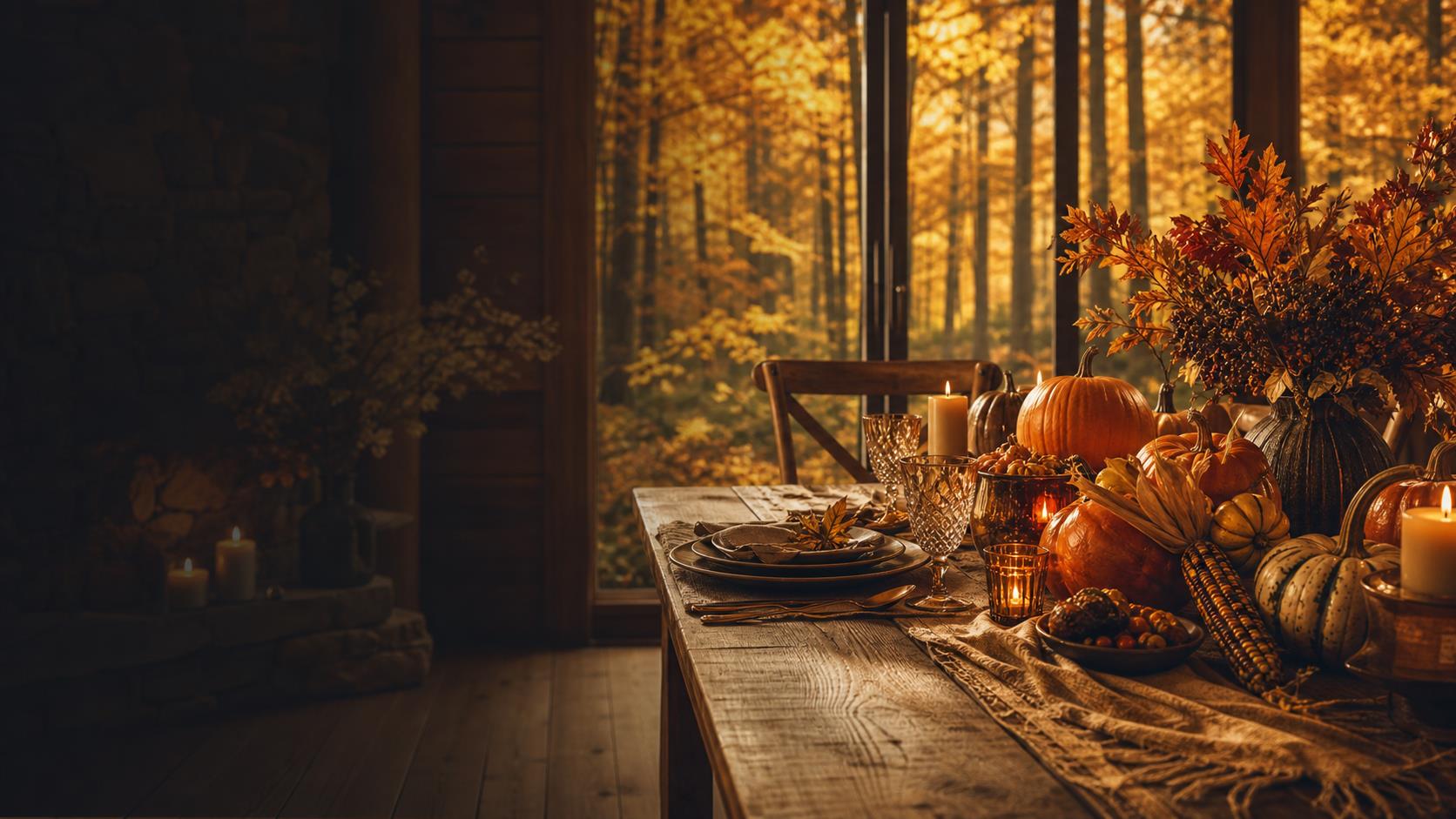
Food often gives Thanksgiving its warmest memories, from family recipes to seasonal treats and symbolic dishes.
This page is part of the Holiday Countdown Library guide system. It gives visitors a useful overview while connecting naturally to related countdown pages, country pages and deeper holiday topics.
Thanksgiving GuideA clear guide to Thanksgiving, including dates, traditions, symbols, cultural meaning and related countdown links.→
History of ThanksgivingLearn how Thanksgiving developed over time and why the holiday still matters today.→
Thanksgiving TraditionsExplore the customs, family rituals and seasonal practices associated with Thanksgiving.→
Thanksgiving SymbolsUnderstand the colors, objects and images commonly connected with Thanksgiving.→
Thanksgiving Around the WorldSee how different places celebrate Thanksgiving through local customs and shared traditions.→
Food is history, not a fixed menu
The familiar plate became standardized after the holiday was promoted nationally in the nineteenth century. Cookbooks and newspapers helped turn a regional New England harvest vocabulary into a repeatable American meal. That is why turkey, stuffing, cranberry sauce and pumpkin pie feel timeless even though their exact combination is relatively recent.
Turkey and the first Thanksgiving question
Turkey was native to the Americas and domesticated in Mexico. Wild fowl may have been served at the 1621 gathering, but the surviving records do not prove a modern roast turkey dinner. Venison, seafood, corn and other local foods were more securely connected with the season. Saying this does not make turkey inauthentic; it explains how later generations created a national tradition.
Native crops on the table
Corn, squash, beans and cranberries all have deep Indigenous food histories. Maize traveled through trade and cultivation across the continent. Squash could be roasted or cooked into stews, while cranberries were used as food, medicine and dye. These ingredients are better understood as living foodways than as props in a simple Pilgrim story.
Regional stuffing and dressing
In the South, cornbread dressing is common. New England cooks may use oysters, while chestnuts, sausage, rice and wild rice appear in other regions. Some cooks stuff the bird; others bake dressing in a pan. Family preference, available grain and food-safety practice all shape the result.
Regional sides and desserts
Southern menus may add macaroni and cheese, greens and sweet-potato pie. The Midwest is known for casseroles, rolls and hot dishes. Cajun and Creole families may serve gumbo or oyster dishes, and Southwestern tables may include chiles, beans or tamales. Pecan pie, apple pie and pumpkin pie each have different regional histories.
Thanksgiving beyond one country
Canadian Thanksgiving occurs earlier in the autumn and often includes harvest vegetables, turkey and local desserts. In the United States, immigrant families frequently place rice, dumplings, pasta, curry or other heritage foods beside the roast. A shared table can hold several cultural histories at once.
Vegetarian and modern meals
Stuffed squash, mushroom dishes, nut roasts and plant-based turkey alternatives let hosts keep the structure of a feast while changing the centerpiece. Smaller households may cook a breast, chicken, ham or no meat at all. The meaning comes from gathering and gratitude, not from passing a test of authenticity.
Leftovers are part of the tradition
Turkey soup, sandwiches, casseroles and cranberry relish extend the holiday for days. This practical custom grew alongside larger twentieth-century meals and refrigeration. Leftovers also make the meal economical: a feast becomes several planned dishes instead of one expensive event.
A responsible food history
Historical evidence is incomplete, and the Wampanoag perspective must not be reduced to a friendly illustration. Read the Thanksgiving history and traditions guides for context. Research: Smithsonian food origins, National Park Service cooking history, and National Museum of the American Indian timeline.