United States Holiday
(v) Scroll to discover more insights
How many days until
Veterans Day
Veterans Day is observed on November 11 each year in the United States, and this countdown keeps the fixed date visible because searchers usually need both the next date and a clear explanation of what the holiday honors.
More holidays in November
89Days
00Hours
00Minutes
00Seconds
Quick Facts
About Veterans Day
Veterans Day honors people who served in the U.S. Armed Forces. Its purpose is recognition of military service, not a general autumn long weekend and not a memorial-only observance. That distinction matters because Veterans Day is often confused with Memorial Day, even though the two holidays carry different meanings, different tones and different historical roots.
History of Veterans Day
Introduction
Veterans Day is observed in the United States on November 11 to honor military veterans from all branches of service. Its origins lie in the armistice that ended major fighting in the First World War on November 11, 1918. The holiday was first known as Armistice Day and focused on peace and the veterans of that conflict. After the Second World War and the Korean War, Congress renamed it Veterans Day in 1954 so that it would recognize veterans of all American wars.
Veterans Day differs from Memorial Day. Memorial Day is centered on those who died while serving, while Veterans Day honors all veterans, living and deceased. The holiday’s history reflects changing ideas about military service, national remembrance, veterans’ benefits, peace, and the responsibilities owed to people after they return to civilian life.
The First World War and the armistice
The First World War began in Europe in 1914 and expanded into a global conflict involving empires, colonies, and millions of military personnel. The United States entered the war in April 1917. American forces served primarily on the Western Front during the final stages of the conflict.
An armistice between the Allied powers and Germany took effect at the eleventh hour of the eleventh day of the eleventh month in 1918. The agreement ended major fighting, although the formal peace settlement came later with the Treaty of Versailles.
The first Armistice Day commemoration
On November 11, 1919, President Woodrow Wilson issued a message marking the first anniversary of the armistice. He described the day as an opportunity for solemn pride in the heroism of those who died and gratitude for victory.
Communities observed the anniversary through ceremonies, parades, church services, public speeches, and moments of silence. The date became associated not only with military victory but with the hope that the war’s destruction would lead to lasting peace.
From local observance to federal recognition
States and local governments began recognizing Armistice Day in different ways. Veterans’ organizations helped preserve the date, while schools and civic groups used it to teach about service and peace.
In 1926, Congress adopted a resolution requesting annual presidential proclamations. In 1938, federal law made November 11 a legal holiday dedicated to world peace and known as Armistice Day.
Veterans after the First World War
Returning veterans faced challenges involving employment, disability, medical care, housing, and compensation. Wartime service did not guarantee smooth reintegration into civilian life. Disabled veterans and their families often had to campaign for adequate support.
Veterans’ organizations became influential in public policy and commemoration. They supported benefits, maintained local posts, organized ceremonies, and shaped the meaning of Armistice Day.
The Bonus Army
During the Great Depression, thousands of First World War veterans travelled to Washington in 1932 to seek early payment of a promised service bonus. They established camps and became known as the Bonus Army.
Federal forces removed the demonstrators, creating national controversy. The episode showed that public praise for veterans could exist alongside conflict over material support and government responsibility.
World War II changes the scale of veteran service
The Second World War mobilized more than sixteen million Americans. When service members returned, the country faced the challenge of education, employment, medical care, housing, and economic reintegration on a much larger scale than after the First World War.
The Servicemen’s Readjustment Act of 1944, commonly called the GI Bill, supported education, training, home loans, and unemployment benefits for many veterans. Access was unequal in practice, especially for Black veterans facing segregation and discrimination.
Raymond Weeks and a broader Veterans Day
After the Second World War, veteran Raymond Weeks of Birmingham, Alabama, promoted the idea of expanding Armistice Day to honor all veterans. Birmingham held a Veterans Day parade in 1947.
Weeks continued organizing annual events and was later recognized for his role in the national observance. His efforts reflected a broader belief that November 11 should include veterans of every conflict, not only those of the First World War.
The 1954 renaming
Following the Second World War and the Korean War, Congress amended the 1938 law. President Dwight D. Eisenhower signed the legislation in 1954, replacing the word “Armistice” with “Veterans.”
The change transformed the legal purpose of the holiday. November 11 remained tied to the First World War armistice, but the day now formally honored American veterans of all wars.
The national ceremony at Arlington
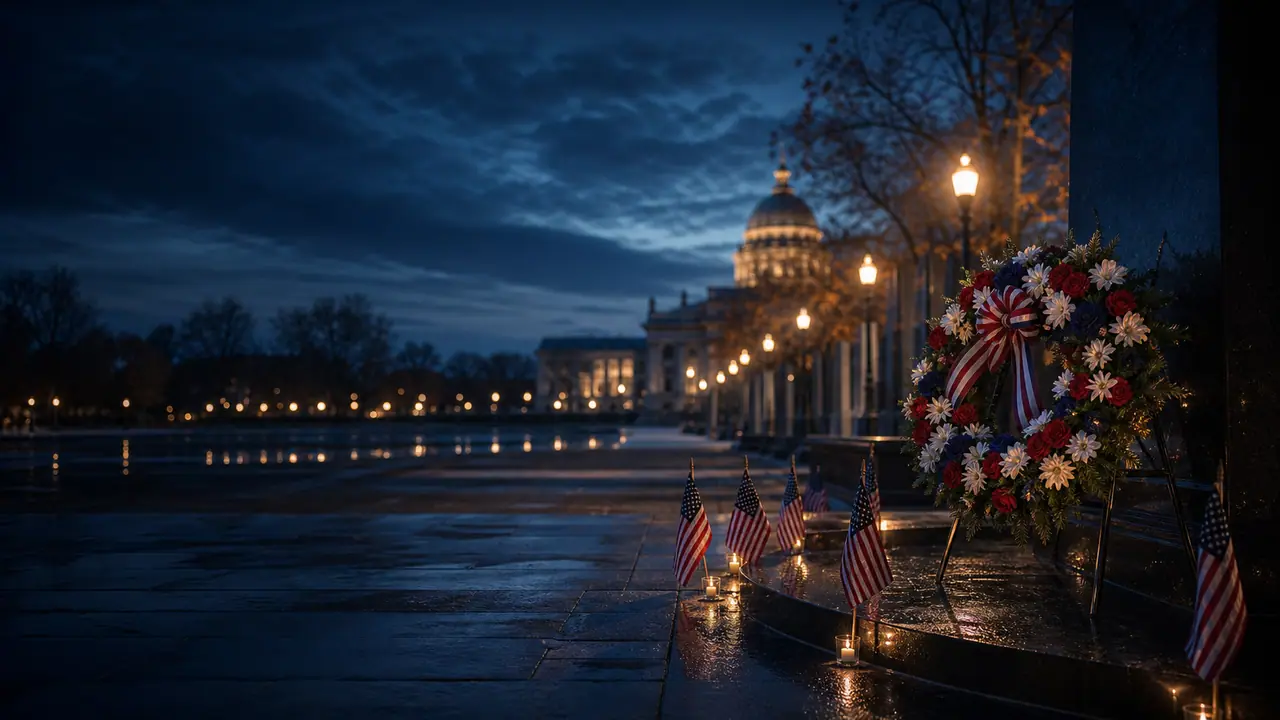
The principal national Veterans Day ceremony is held at Arlington National Cemetery. A wreath is placed at the Tomb of the Unknown Soldier, followed by a program honoring veterans and military service.
The tomb symbolizes service members whose identities were unknown and families who lacked a named grave. It also connects Veterans Day with national mourning without turning the holiday into a duplicate of Memorial Day.
The Uniform Monday Holiday Act
The Uniform Monday Holiday Act of 1968 moved several federal holidays to Mondays to create three-day weekends. Veterans Day was shifted to the fourth Monday in October, with the new schedule taking effect in 1971.
The change proved unpopular. Many veterans’ organizations and states continued to value November 11 because of its direct connection to the 1918 armistice. Congress restored the observance to November 11 beginning in 1978.
Why November 11 matters
Veterans Day is always officially observed on November 11, regardless of the weekday. Federal workplaces may use an adjacent weekday for leave when the date falls on a weekend, but the national ceremony remains connected to November 11.
The date preserves the holiday’s historical link to the end of fighting in the First World War while allowing the commemoration to include later generations of veterans.
Vietnam veterans and contested remembrance
Veterans returning from the Vietnam War entered a society deeply divided over the conflict. Some experienced inadequate support, public misunderstanding, or difficulty obtaining recognition for physical and psychological injuries.
Later memorials, veterans’ advocacy, and official recognition changed public discussion. The Vietnam Veterans Memorial, dedicated in 1982, became a major place of remembrance and helped distinguish criticism of a war from respect for those who served.
Women veterans
Women have served in American military roles since the nation’s earliest conflicts, although their service was often restricted or overlooked. During the twentieth and twenty-first centuries, women entered an expanding range of occupations and combat-related roles.
Veterans Day increasingly recognizes women as veterans in their own right rather than only as nurses, spouses, or family members. Women veterans have also pressed for health care, recognition, and services responsive to their experiences.
Black, Indigenous, and other minority veterans
Members of racial and ethnic minority communities have served despite discrimination in the military and civilian society. Black veterans returned from wars to segregation and racial violence. Native American veterans served while tribal citizenship and federal policies created complex questions of sovereignty and identity.
Latino, Asian American, Pacific Islander, immigrant, and LGBTQ+ veterans have also challenged exclusion and unequal treatment. Veterans Day offers an opportunity to recognize service while examining whether national promises were equally available after service ended.
Veterans’ health and reintegration
Military service can produce physical injuries, psychological trauma, family stress, and difficulties in employment or housing. The Department of Veterans Affairs and other institutions provide health care, disability compensation, education, burial services, and additional support.
Public ceremonies alone cannot meet veterans’ needs. The holiday’s meaning includes debate about whether the country provides timely, fair, and accessible support to people after their service.
Veterans Day in schools and communities
Schools, local governments, veterans’ groups, museums, and community organizations hold assemblies, parades, oral-history projects, flag ceremonies, and public discussions. Veterans may speak about service, but no individual veteran represents every military experience.
Thoughtful observance avoids treating war as entertainment or assuming that all veterans view their service in the same way. It can recognize sacrifice, complexity, and the transition from military to civilian life.
Historical timeline
November 11, 1918: The armistice ends major fighting in the First World War.
November 11, 1919: President Woodrow Wilson marks the first Armistice Day anniversary.
1926: Congress requests annual presidential proclamations for Armistice Day.
1938: November 11 becomes a federal legal holiday dedicated to world peace.
1944: The GI Bill establishes major education and readjustment benefits for returning service members.
1947: Raymond Weeks organizes a Birmingham event honoring veterans of all wars.
1954: Congress and President Eisenhower rename Armistice Day as Veterans Day.
1968: The Uniform Monday Holiday Act moves Veterans Day to an October Monday.
1971: The Monday schedule first takes effect.
1975: President Gerald Ford signs legislation restoring November 11.
1978: Veterans Day returns permanently to November 11.
Today: The holiday honors veterans of all branches and conflicts while highlighting the obligations owed after military service.
Veterans Day today
Veterans Day combines national ceremony with local recognition. It may include wreath-laying, parades, school programs, museum events, public-service projects, and conversations with veterans.
The holiday is most meaningful when gratitude is connected with understanding. Honoring veterans includes remembering the history of the day, respecting diverse experiences, and examining how effectively society supports veterans and their families.
Sources and further reading
- U.S. Department of Veterans Affairs, History of Veterans Day
- U.S. Department of Veterans Affairs, Veterans Day Facts and Information
- U.S. Department of Veterans Affairs, The Origins of Veterans Day
- Library of Congress, Today in History: November 11
- National Archives, Servicemen’s Readjustment Act
- Arlington National Cemetery, Tomb of the Unknown Soldier
- National Park Service, Vietnam Veterans Memorial
- U.S. Department of Veterans Affairs, VA History
- Military Women’s Memorial, Women in Military Service
- United States Senate, Veterans Day
Traditions
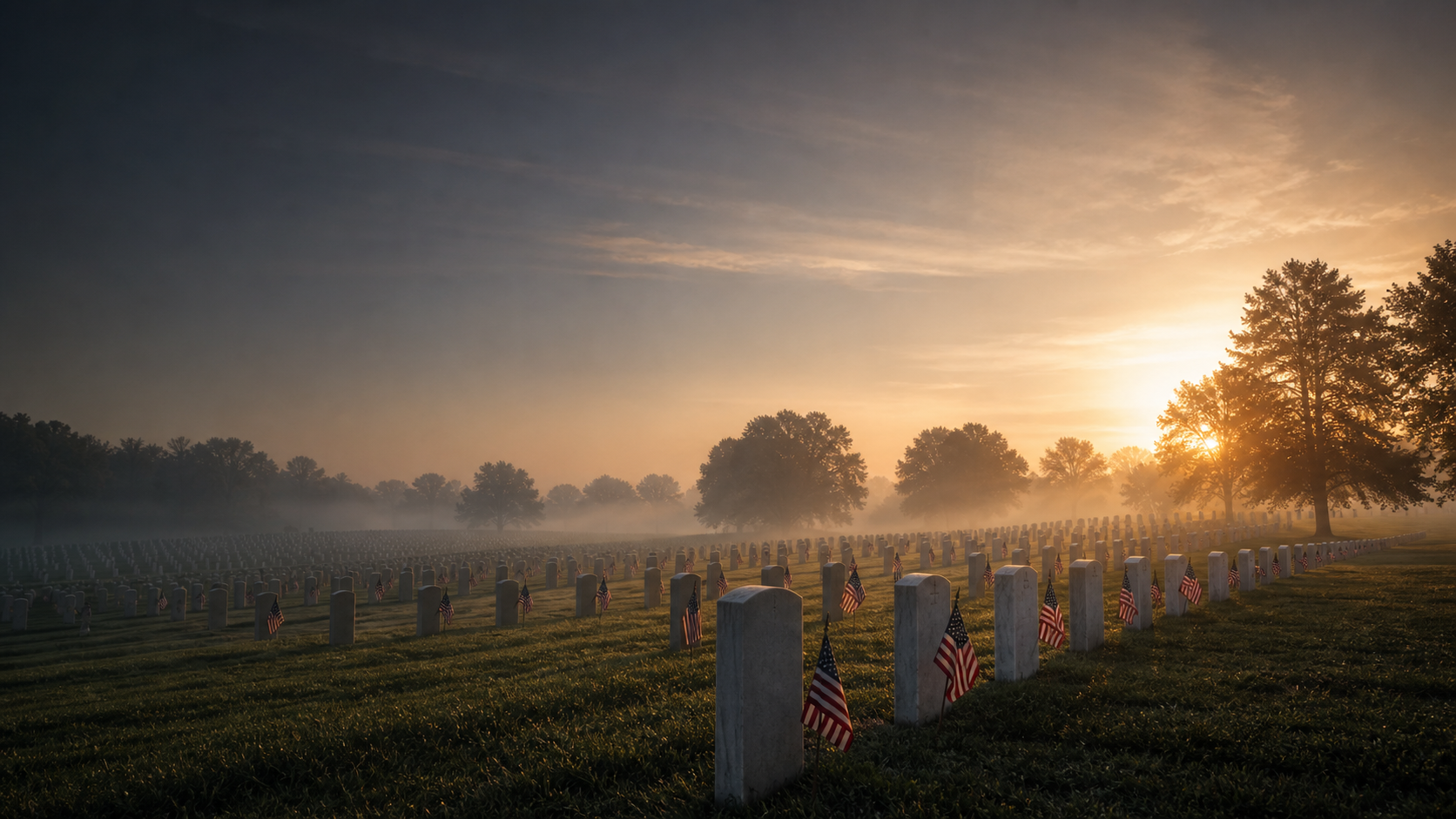
Memorial visits
Thanking veterans for service
Veterans ceremonies
How It Is Celebrated
Communities may mark Veterans Day through ceremonies, wreath laying, school programs, veterans' gatherings, memorial visits, historical exhibits and public recognition of service. Some places host parades or local programs, while others keep the observance quieter and more reflective. Practical details such as school closures, municipal events and veteran-focused services still vary by location, so the countdown stays focused on the national date rather than guessing local schedules.
Interesting Facts
- Veterans Day is fixed on November 11.
- The holiday grew from Armistice Day and its World War I history.
- It honors veterans broadly, not only those who died in service.
- Memorial Day and Veterans Day are different observances with different purposes.
- Federal and archival sources continue to frame November 11 as the core date of recognition.
Related Holiday Guides
United States holidays →
Questions
Veterans Day FAQ
Clear answers about the date, countdown target and seasonal context.
Who does Veterans Day honor?
Veterans Day honors people who served in the U.S. Armed Forces, rather than functioning only as a memorial day for those who died in service.
When is Veterans Day?
Veterans Day is November 11 every year, and this countdown uses that fixed date.
Why is Veterans Day on November 11?
The holiday developed from Armistice Day, which marked the November 11, 1918 armistice ending major World War I fighting. This guidance applies specifically to Veterans Day.
How is Veterans Day different from Memorial Day?
Veterans Day honors veterans broadly, while Memorial Day is specifically focused on remembering those who died during military service.
Does this page switch to an observed Monday date?
No. The countdown targets November 11 itself because that is the core federal holiday date people search for. This guidance applies specifically to Veterans Day.